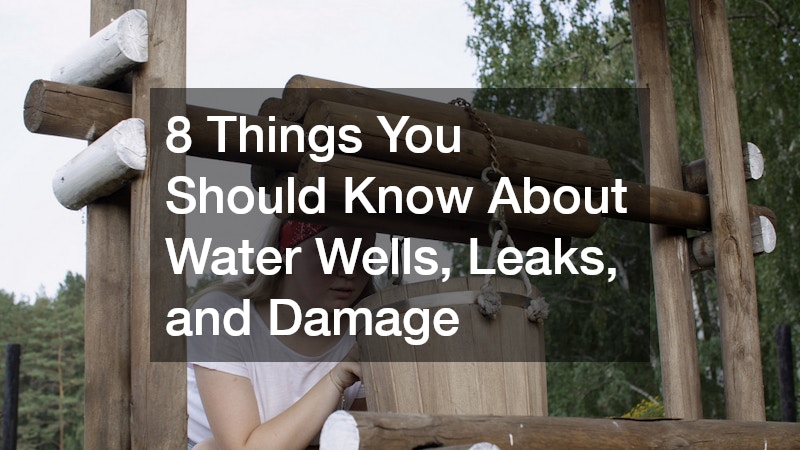
Water wells are a critical part of many residential and rural water systems, but they often get overlooked until something goes wrong. When issues appear, they tend to escalate quickly, affecting not just water quality but also household safety and property integrity. Understanding how water wells function and what can go wrong helps homeowners respond before minor concerns turn into expensive repairs. Problems like pressure drops, contamination, or system failure often involve more than one factor, including plumbing connections, pump performance, and ground conditions.
Professionals such as well drillers and well contractor teams play a key role in keeping systems stable, especially when installation or maintenance is involved. Meanwhile, water well services and plumbing services often overlap when diagnosing issues that affect both underground and indoor systems. In more serious cases, water damage restoration becomes necessary to address structural impact caused by leaks or flooding. A water restoration company may also coordinate with other specialists to ensure full recovery.
Across all of this, water wells remain a long-term investment that requires awareness and upkeep. From drilling decisions to emergency repairs, each stage influences system longevity. Knowing what to look for helps prevent damage, reduce costs, and maintain reliable water access year-round. When handled correctly, water wells can perform efficiently for decades with minimal disruption.
1. Understand How Water Wells Function
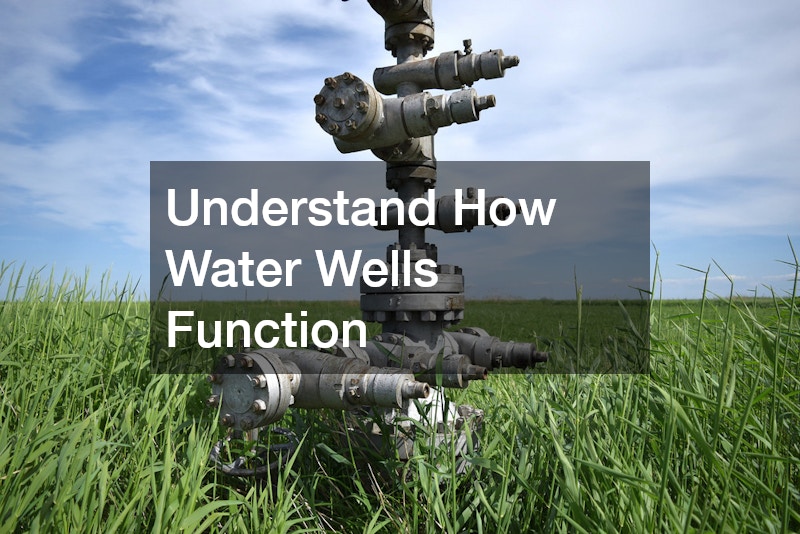
Explore Core Components Of A Water Well System And Water Well Services
Water wells operate through a combination of underground and mechanical components that work together to deliver clean water into a home. The system typically includes a casing, pump, pressure tank, and filtration components, all of which must remain in balance for consistent performance. When any part becomes compromised, water wells can begin showing irregular behavior such as fluctuating pressure or reduced output. In many cases, water well services are used to inspect and maintain these interconnected systems before larger issues develop.
Well drillers are often involved in the early stages of installation, ensuring that depth, soil conditions, and aquifer access are properly evaluated. Once installed, ongoing maintenance is essential to preserve system integrity. A well contractor may periodically assess structural components and recommend adjustments if performance shifts. Since water wells depend heavily on subsurface conditions, even minor changes in groundwater levels can impact efficiency. Regular monitoring helps prevent unexpected breakdowns that could require emergency intervention or system redesign.
Learn How Well Contractors And Well Drillers Maintain System Performance
Maintaining water wells requires a combination of technical skill and environmental awareness. Well drillers focus on ensuring that the initial drilling process reaches stable water sources while avoiding contamination zones. Over time, a well contractor may revisit the system to evaluate casing integrity or pump efficiency. These professionals often collaborate with water well services teams to ensure that all components remain aligned and functional.
Routine checks can reveal early signs of wear that might otherwise go unnoticed. For example, sediment buildup or pressure inconsistencies can indicate deeper issues within water wells. Addressing these early can reduce the likelihood of costly repairs or service interruptions. In some cases, drilling service adjustments may be required if groundwater conditions shift significantly. When managed properly, water wells can remain reliable for many years, but only when maintenance is consistent and informed by professional oversight.
2. Recognize Early Signs Of Well Leaks
Spot Changes In Water Pressure And Flow Patterns Early
One of the earliest indicators of trouble in water wells is a noticeable change in water pressure. Homeowners may observe inconsistent flow rates, sudden drops, or delayed water delivery. These symptoms often suggest underlying issues within the system, such as pump strain or pipe leakage. In these situations, water well services are typically called in to evaluate whether the problem originates from the well itself or the connected plumbing system.
When water wells begin to leak underground, the signs are not always obvious at first. Subtle changes in performance can progress into more serious failures if ignored. Well drillers often identify these issues during inspections by checking pressure stability and system output. If left unresolved, leaks can contribute to soil erosion around the well structure, further destabilizing the system and potentially requiring extensive repairs.
Identify Discoloration, Odors, And Plumbing Services Concerns
Changes in water appearance or smell are strong indicators that water wells may be compromised. Rust-colored water, sulfur-like odors, or cloudy output often point to contamination or sediment intrusion. In these cases, plumbing services may be needed alongside well-specific inspections to determine whether the issue is localized or system-wide.
Water wells that draw from shifting groundwater sources can sometimes pull in minerals or contaminants that alter water quality. A well contractor may recommend testing to identify the exact cause. If contamination spreads into the household system, coordination with water well services becomes essential to prevent further damage. These symptoms should never be ignored, as they can indicate deeper structural or environmental issues affecting long-term system safety.
3. Identify Common Causes Of Well Damage
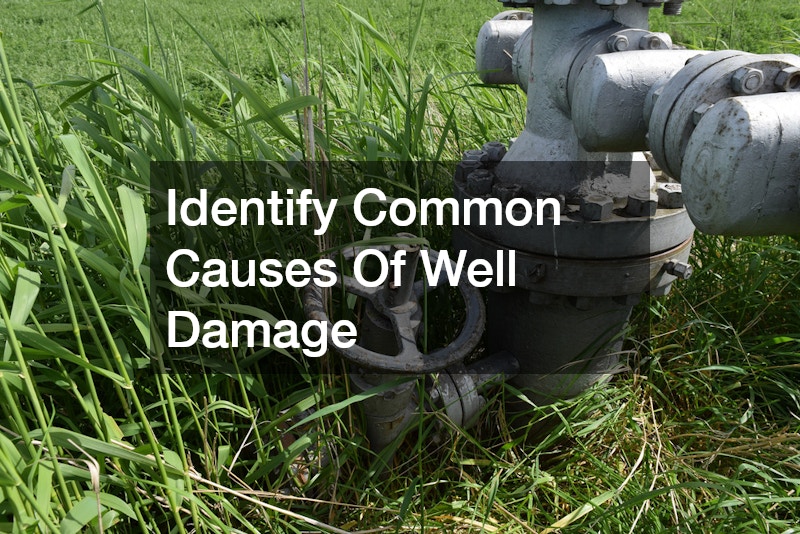
Understand Soil Movement, Aging Systems, And Environmental Stressors
Water wells are constantly exposed to environmental changes, which makes them vulnerable to long-term wear. Soil movement is one of the most common causes of structural stress, especially in areas with fluctuating moisture levels. Over time, this can shift casing alignment or damage underground components. Aging systems also contribute to declining performance, particularly when maintenance has been inconsistent.
Well drillers often see these issues in older installations where original materials have deteriorated. In such cases, water well services may be required to assess whether repairs are sufficient or if partial replacement is needed. Environmental stressors like droughts or flooding can also alter groundwater levels, placing additional strain on water wells and increasing the likelihood of system failure if not addressed promptly.
See How Drilling Service And Water Well Drilling Services Impact Long-Term Stability
The quality of installation plays a major role in how well water wells perform over time. A drilling service that accounts for soil composition and aquifer depth can significantly reduce future risks. Poorly executed drilling, however, can lead to instability and premature system failure. This is why water well drilling services are critical during both installation and major repair phases.
When water wells are drilled correctly, they are more resistant to environmental fluctuations and structural shifts. A well contractor may later assess whether the original drilling meets current performance needs. If not, additional work may be required to restore stability. Proper drilling practices ensure that water wells maintain consistent output and reduce the likelihood of costly intervention later on.
4. Evaluate When Plumbing Services Are Needed
Notice Household Symptoms That Require Professional Plumbing Services
Household plumbing issues are often the first visible sign that something is wrong with water wells. Low water pressure, sputtering faucets, or irregular flow can indicate a deeper system issue. In these situations, plumbing services are typically needed to determine whether the problem lies within the home’s internal system or originates from the well itself.
Water wells that experience pressure inconsistencies can create strain on connected plumbing systems, leading to leaks or fixture damage. Coordinating between plumbing services and water well services ensures that both systems are evaluated together. This integrated approach helps identify whether repairs should focus on internal pipes or the underground well infrastructure.
Determine When A Well Contractor Should Inspect The System
When basic plumbing fixes do not resolve performance issues, a well contractor should be brought in to assess the condition of water wells directly. These professionals can determine whether mechanical failure, groundwater changes, or structural issues are responsible for the disruption.
In some cases, problems may stem from pump inefficiency or sediment buildup, requiring further investigation. Well drillers may also be consulted if deeper structural concerns are suspected. Early intervention helps prevent small issues from escalating into major system failures. Regular inspections ensure that water wells continue functioning efficiently and reduce the risk of emergency repairs.
5. Address Water Pump Failures Quickly
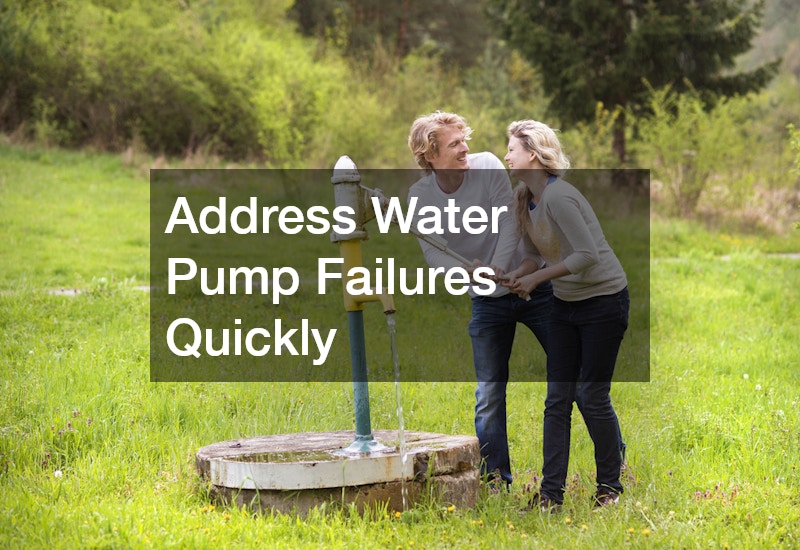
Recognize Mechanical Wear And Electrical Issues In Water Pumps
Water pumps are the driving force behind water wells, and when they begin to fail, the entire system is affected almost immediately. Mechanical wear is one of the most common issues, often caused by continuous cycling, sediment buildup, or aging components. Electrical problems can also interrupt performance, leading to sudden loss of water or inconsistent flow throughout the home.
In many cases, water pump repair becomes necessary when homeowners notice fluctuating pressure or unusual noises coming from the system. These symptoms often indicate that internal components are struggling to maintain output. Water well services frequently include pump diagnostics to determine whether the issue is isolated or part of a larger system failure. Well drillers may also be involved if pump strain is linked to deeper structural concerns within water wells.
Ignoring early signs of pump failure can lead to more extensive damage, including burnout or system shutdown. That’s why timely inspection is essential, especially in older water wells where wear accumulates faster. A well contractor can evaluate whether repair or replacement is the most effective solution based on system condition and water demand.
Understand When Water Pump Repair Becomes Urgent For System Recovery
When water wells stop delivering consistent water, urgency increases quickly. Complete pump failure means no access to household water, which affects daily living immediately. In these cases, water pump repair cannot be delayed, as continued downtime may lead to pressure imbalances or secondary plumbing issues.
Water well services often prioritize emergency response when pump failure occurs, especially if contamination or backflow is suspected. Coordinating with plumbing services ensures that both internal and external systems are stabilized during repairs. A well contractor may also assess whether underlying drilling issues contributed to the failure, particularly in systems that rely heavily on older drilling service methods.
6. Respond To Contamination And Mold Risks
Identify Moisture Intrusion That Leads To Mold Growth And Health Risks
Moisture intrusion is one of the most serious secondary effects of failing water wells. When leaks go unnoticed, excess moisture can accumulate in walls, basements, or crawl spaces, creating ideal conditions for mold growth. This can develop slowly but spread quickly once established, impacting both structural materials and indoor air quality.
Local mold removal companies are often called in when visible growth appears or when musty odors become persistent. However, the root cause frequently traces back to water wells or connected plumbing systems. Water damage restoration specialists may also be required to address structural saturation caused by long-term leaks. In these situations, identifying the source early is critical to preventing widespread contamination.
Work With Local Mold Removal Companies And A Water Restoration Company For Safe Recovery
Once mold contamination develops, professional intervention becomes necessary. Local mold removal companies focus on isolating and removing affected materials, but full recovery often requires coordination with a water restoration company to address underlying moisture issues. Without resolving the source, mold is likely to return.
Water well services may also be involved if the contamination originates from system leaks or pressure failures. In more severe cases, water damage restoration teams work alongside plumbing services to repair affected infrastructure and prevent recurrence. Well drillers may be consulted if structural issues within water wells are contributing to ongoing moisture intrusion.
7. Compare Restoration And Repair Options

Understand The Difference Between Water Damage Restoration And General Repairs
Water damage restoration is a more comprehensive process than standard home repairs because it focuses on both visible damage and hidden structural issues. When water wells malfunction or leak, the resulting damage can extend into flooring, walls, and foundational elements. In these cases, simple repairs are not enough to restore safety and functionality.
A water restoration company evaluates the full scope of damage, including moisture levels within building materials and potential microbial growth. Water well services are often involved when the source of the issue originates underground or from system failure. Plumbing services may handle internal repairs, but restoration teams ensure that the broader environment is stabilized.
Unlike general repairs, water damage restoration addresses long-term risks such as mold growth, material degradation, and recurring leaks. This is especially important in homes that rely heavily on water wells, where system failures can have widespread effects.
Evaluate When Water Well Services Are Needed Versus Full Water Restoration Company Support
Determining whether to call water well services or a water restoration company depends on the severity and origin of the problem. If issues are isolated to pump failure or pressure loss within water wells, a well contractor or repair specialist may be sufficient. However, if water has already caused structural damage, full restoration is often required.
Well drillers may also be brought in when underground components are compromised, especially if drilling service adjustments are needed to stabilize the system. In contrast, restoration teams focus on recovery after damage has occurred rather than correcting the source alone.
8. Choose Qualified Well Professionals
Review Credentials, Experience, And Equipment From Well Drillers And Contractors
Choosing the right professionals for water wells is essential for long-term reliability. Well drillers with proper licensing and experience understand how to navigate different soil conditions and groundwater levels. Their expertise ensures that water wells are installed and maintained correctly from the start, reducing the likelihood of future failures.
A well contractor should also have experience evaluating both mechanical and environmental factors affecting system performance. Water well services often depend on specialized equipment to diagnose issues accurately, especially when leaks or contamination are involved. Proper tools and testing methods allow professionals to identify problems before they escalate.
Homeowners should also consider whether providers offer integrated plumbing services or collaborate with other specialists. This coordination is often necessary when water wells affect both underground systems and household infrastructure.
Decide Between Drilling Service Providers And Water Well Drilling Services For Long-Term Reliability
When installing or repairing water wells, choosing between general drilling service providers and dedicated water well drilling services can significantly impact system longevity. Water well drilling services typically focus specifically on aquifer access, casing stability, and long-term output efficiency.
A well contractor may recommend specialized drilling service options when existing water wells are failing or when new installation is required. Well drillers with advanced experience in groundwater systems can ensure that wells are placed in optimal locations for sustainability.
Understanding how water wells operate helps homeowners recognize early warning signs before they become serious problems. Whether it’s pressure changes, contamination risks, or pump failure, timely response is essential. Water well services and plumbing services often work together to diagnose and resolve issues efficiently, while well contractors and well drillers handle more technical aspects of system integrity. In more severe cases, water damage restoration and a water restoration company may be required to address structural impacts caused by leaks or long-term exposure.