
A full-scale home renovation is a complex, multi-phase project that blends design, engineering, budgeting, and logistics into a single coordinated effort. Whether you’re preparing a property for resale or upgrading a long-term residence, the margin for error is often narrow, and the stakes are high. Missteps in early phases can cascade into expensive corrections later, which is why planning and sequencing are critical. A disciplined approach ensures that each phase builds on the last without introducing unnecessary risk. This guide walks through each stage of a comprehensive renovation with a focus on efficiency, durability, and long-term value.
How to Assess Your Property Before You Begin

Every successful renovation starts with a structured and methodical property assessment that goes far beyond a casual walkthrough. You need to evaluate the home as a system, where structural components, mechanical systems, and finishes all interact. Start by documenting visible issues, including cracks, water stains, outdated wiring, or signs of pest activity. These observations help establish a baseline and prevent surprises once demolition begins. Taking photos and notes during this phase will also support more accurate contractor estimates later.
Identifying priority repair zones is the next step, and this is where many homeowners underestimate the scope of work required. Areas like the roof, foundation, plumbing infrastructure, and electrical systems should be evaluated first because they directly impact safety and habitability. A qualified roofer can provide a detailed inspection of shingles, flashing, and ventilation systems to determine whether repair or replacement is needed. Addressing these high-risk areas early reduces the likelihood of costly disruptions during later stages of the renovation. It also ensures that cosmetic upgrades are not compromised by underlying structural issues.
Water damage and structural integrity must be carefully evaluated before moving forward with any design decisions. Even minor moisture issues can lead to mold growth, wood rot, and compromised insulation over time. Pay close attention to basements, crawl spaces, and attic areas where problems often go unnoticed. If moisture is detected, bringing in a basement waterproofing service early can prevent further deterioration and stabilize the environment. This proactive step protects both your investment and the long-term health of the property.
Creating a master renovation checklist allows you to prioritize tasks based on urgency and return on investment. Structural and safety-related repairs should always take precedence over aesthetic improvements. Organizing tasks into phases helps streamline project management and keeps your budget aligned with your goals. This checklist also serves as a communication tool when working with contractors and suppliers. A clear plan reduces ambiguity and keeps everyone focused on the same objectives.
Building Your Renovation Budget Like a Pro
A well-constructed renovation budget is more than a rough estimate—it’s a detailed financial framework that guides every decision you make. Start by breaking down costs into categories such as labor, materials, permits, and contingency funds. This level of granularity allows you to identify where your money is going and where adjustments can be made if needed. For example, exterior work like paving service for driveways and walkways should be budgeted separately from interior upgrades. This separation makes it easier to scale specific parts of the project without affecting the whole.
Hidden costs are inevitable in renovation projects, especially in older homes where previous work may not meet current codes. That’s why adding a contingency buffer of at least 15–25 percent is considered best practice. This reserve helps absorb unexpected expenses such as structural repairs or system upgrades. Without it, you risk halting progress or compromising on quality. A well-padded budget provides flexibility and peace of mind throughout the project.
Assembling the Right Team of Contractors
Choosing the right contractors is one of the most important decisions you’ll make during a renovation. Each trade brings specialized knowledge, and the quality of their work directly impacts the final result. Start by gathering multiple bids and comparing them based on scope, timeline, and materials—not just price. A lower bid may indicate shortcuts or omissions that could lead to problems later. Thorough vetting ensures you’re selecting professionals who align with your standards.
Different aspects of the renovation will require different specialists, and coordinating their work is essential for efficiency. For example, garage door installation should be handled by a contractor experienced in both mechanical systems and structural integration. Similarly, electricians, plumbers, and carpenters must work in sequence to avoid conflicts and rework. Clear communication between trades helps maintain momentum and prevents costly delays. A well-coordinated team operates like a system rather than a collection of individuals.
Tackling the Exterior First for Maximum Curb Appeal
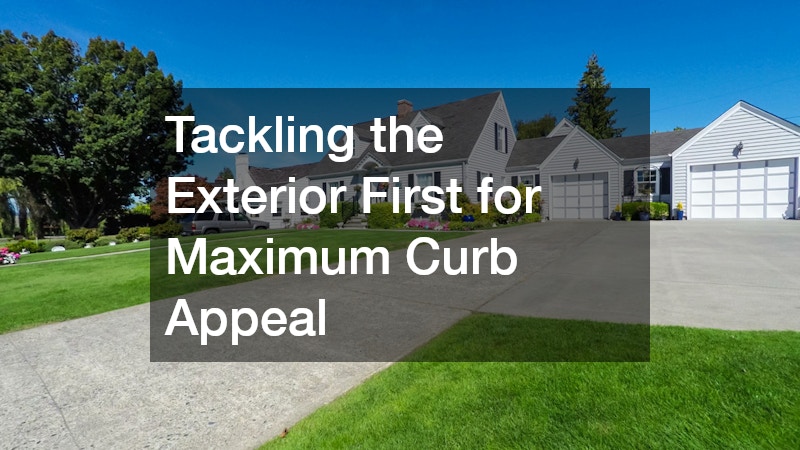
The exterior of your home is the first thing people see, and it plays a major role in shaping perceptions of value and quality. Addressing exterior issues early not only improves aesthetics but also protects the structure from environmental damage. Start with visible problem areas such as cracked driveways, uneven walkways, and deteriorating siding. A professional paving service can help you select durable materials that enhance both function and appearance. These improvements create a strong foundation for the rest of the renovation.
Landscaping and hardscaping are powerful tools for increasing curb appeal without major structural changes. Thoughtful design elements like defined pathways, trimmed greenery, and strategic lighting can transform the look of a property. These upgrades are relatively cost-effective and offer a high return on investment. They also create a welcoming first impression that sets expectations for the interior. Consistency between exterior and interior design further enhances perceived value.
Exterior improvements also contribute to long-term maintenance and durability. Proper drainage, grading, and surface materials help prevent water damage and erosion. Addressing these factors early reduces the risk of future repairs. It also ensures that subsequent upgrades are built on a stable and well-maintained foundation. Investing in the exterior is both a practical and strategic decision.
Waterproofing and Foundation Work
Waterproofing is often overlooked because it doesn’t deliver immediate visual impact, but it is one of the most critical aspects of a renovation. Moisture intrusion can compromise structural integrity, damage finishes, and create health hazards. Identifying and addressing these issues early prevents them from spreading. Common warning signs include musty odors, visible mold, and water stains on walls or floors. Ignoring these indicators can lead to high long-term costs.
A professional basement waterproofing service can implement solutions tailored to your property’s specific needs. These may include interior drainage systems, sump pumps, vapor barriers, and exterior sealing. Each solution addresses a different aspect of moisture control and works together to create a dry, stable environment. Proper installation is essential for effectiveness and longevity. Investing in professional services ensures that the job is done correctly.
Roofing, Windows, and the Building Envelope
The building envelope is your home’s primary defense against weather, temperature fluctuations, and energy loss. Upgrading this system improves comfort, reduces utility costs, and enhances overall performance. Roofing is a key component, and a skilled roofer can recommend materials that balance durability with cost. Modern roofing systems offer improved resistance to wind, rain, and UV exposure. These upgrades also contribute to better insurance ratings and long-term savings.
Windows play a significant role in energy efficiency and indoor comfort. Installing energy-efficient windows reduces heat transfer, minimizes drafts, and improves insulation. These benefits translate into lower energy bills and a more consistent indoor environment. They are also a strong selling point for potential buyers. Investing in high-quality windows adds both functional and aesthetic value.
Garage door installation is another important element of the building envelope that is often underestimated. A well-insulated and properly installed garage door enhances security and contributes to energy efficiency. It also has a noticeable impact on curb appeal. When combined with roofing and window upgrades, it creates a cohesive and high-performing exterior. These improvements work together to protect your home and increase its marketability.
Kitchen Transformation Strategies

The kitchen is one of the most influential spaces in any home, and it often drives buyer decisions in the real estate market. A well-designed kitchen balances functionality, aesthetics, and efficiency. Start by optimizing the layout to improve workflow and maximize usable space. Open-concept designs and strategic storage solutions can make even small kitchens feel larger. A custom kitchen remodeler can help tailor the design to your specific needs and goals.
Material selection is critical for both durability and visual appeal. Countertops, cabinets, and backsplashes should complement each other while standing up to daily use. Neutral color palettes tend to attract a wider audience and provide a timeless look. High-quality materials also reduce maintenance and increase longevity. These choices contribute to a cohesive and polished final result.
Appliances and fixtures should align with the overall design and offer practical benefits. Energy-efficient appliances, modern lighting, and durable hardware enhance both functionality and style. These upgrades are relatively affordable compared to structural changes but deliver a significant impact. They also improve the overall user experience. Investing in these details helps elevate the kitchen to a standout feature of the home.
Flooring Solutions That Work in Every Room
Flooring is a foundational element that influences both the look and performance of your home. Different rooms have different requirements, and selecting the right material is essential. For areas exposed to moisture, such as kitchens and bathrooms, ceramic tile flooring offers durability and water resistance. It is also available in a wide range of styles, making it a versatile choice. Proper installation ensures long-lasting performance.
In living spaces and bedrooms, comfort and aesthetics are often the primary considerations. Hardwood, engineered wood, and luxury vinyl plank are popular options that balance durability with visual appeal. Each material has its own advantages in terms of cost, maintenance, and lifespan. Choosing the right option depends on your specific needs and budget. Consistency in flooring can also create a more cohesive look throughout the home.
Subfloor preparation is a critical step that is often overlooked but has a major impact on the final result. An uneven or unstable subfloor can lead to issues such as cracking, squeaking, or premature wear. Proper leveling and reinforcement ensure that your flooring performs as intended. This step also extends the lifespan of your investment. Attention to detail here prevents costly repairs later.
Structural Upgrades, Custom Fabrication, and Load-Bearing Changes
Structural modifications are among the most complex aspects of a renovation and require careful planning and execution. Removing walls or altering layouts often involves load-bearing elements that support the entire structure. In these cases, structural steel is commonly used to redistribute weight and maintain stability. Proper sizing and installation are essential to ensure safety and compliance. These changes must be handled by qualified professionals.
Custom features can add significant value and differentiate your property in a competitive market. Metal fabrication allows for unique design elements such as railings, staircases, and architectural accents. These features combine functionality with visual appeal. They also provide an opportunity to personalize the space. Working with skilled fabricators ensures high-quality results.
Permits, inspections, and engineering approvals are mandatory for structural work. Skipping these steps can lead to fines, delays, and safety risks. Local building codes are designed to protect both homeowners and occupants. Ensuring compliance is a critical part of the renovation process. It also provides peace of mind and protects your investment.
Managing Waste, Timelines, and the Final Walk-Through

Effective project management is essential for keeping your renovation on schedule and within budget. This includes coordinating timelines, managing resources, and maintaining clear communication with your team. One key aspect is waste management, which can quickly become a logistical challenge. Roll-off dumpster rentals provide a practical solution for handling construction debris. Keeping the site clean improves safety and efficiency.
Building a realistic timeline requires an understanding of how different phases interact. Delays in one area can have a ripple effect on the entire project. Adding buffer time between phases helps absorb unexpected setbacks. This approach reduces stress and allows for more accurate planning. It also ensures that quality is not sacrificed for speed.
The final walkthrough is your opportunity to ensure that every detail meets your expectations. Inspect all work carefully, from structural elements to finishes and fixtures. Create a punch list of any issues that need to be addressed before completion. This step ensures that nothing is overlooked. A thorough inspection sets the stage for a successful project closeout.
A complete home renovation requires more than just vision—it demands careful planning, disciplined execution, and attention to detail at every stage. From the initial assessment to the final walkthrough, each step plays a critical role in the overall success of the project. By prioritizing structural integrity, assembling the right team, and managing your budget effectively, you can navigate the process with confidence. Strategic upgrades such as energy-efficient windows, durable flooring, and thoughtful design choices add lasting value. When approached as a cohesive system, your renovation becomes a long-term investment in both performance and aesthetics.