A full property refresh gives homeowners an opportunity to look beyond isolated repairs and consider how the entire outdoor space functions together. Instead of replacing one feature at a time, a larger plan can address landscaping, recreation, privacy, drainage, gathering areas, and long-term maintenance in a coordinated way. This approach can make the property feel more cohesive while helping homeowners prioritize projects that improve both appearance and everyday usability.
Outdoor upgrades can vary widely depending on the size of the property, household needs, climate, and budget. Some families may want more room for entertaining, while others may focus on creating safer play areas, reducing lawn maintenance, or improving privacy. Existing conditions also matter. Mature trees, aging concrete, worn fencing, uneven ground, and outdated pool areas may all influence the order in which work should be completed.
Before beginning, it helps to identify which projects affect other parts of the property. Removing a tree may change shade patterns, installing a pool may alter traffic flow, and adding hardscaping can affect drainage. Thinking through these connections early can reduce rework and help create an outdoor space that feels intentionally planned from one area to the next.
Evaluate the Property Before Starting Major Work
The first step in a full outdoor refresh is understanding what already works and what needs attention. Homeowners should walk the property and look closely at drainage, slopes, soil conditions, sun exposure, privacy, existing structures, and the way people move between different areas. Problems that seem minor at first can become more difficult to address after new features are installed.
A path between the back door and garage may need a durable surface, while a quiet corner could be better suited for seating or planting. Families with children or pets may need clear sightlines and secure boundaries, while homeowners who entertain often may prioritize large gathering spaces.
Overgrown limbs, damaged trunks, or trees growing too close to structures can affect future plans. Scheduling tree trimming services before construction begins can improve clearance around roofs, patios, and planned outdoor features. In situations where a tree is dead, unstable, or poorly located, tree removal services may be needed before excavation or installation work starts.
Creating a basic property map can help homeowners visualize how all of these elements connect. Marking utility locations, doors, gates, slopes, mature trees, and existing pavement makes it easier to compare project ideas and decide where new features should go.
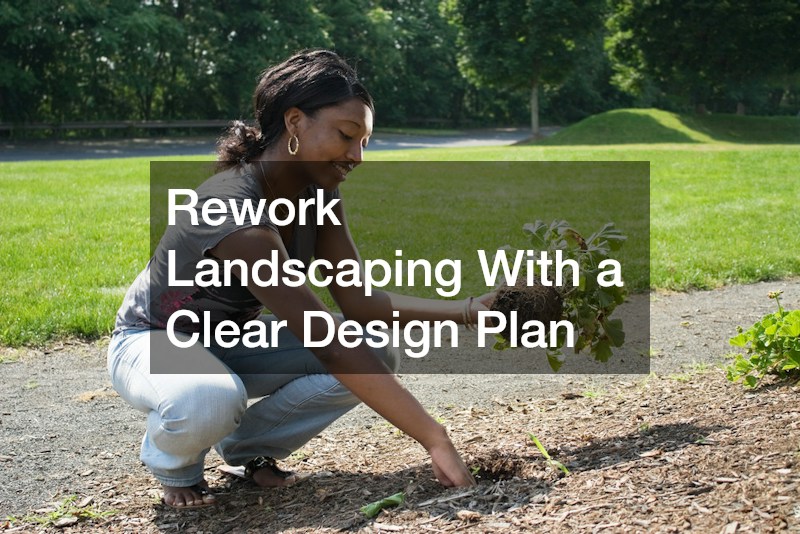
Rework Landscaping With a Clear Design Plan
Landscaping has a major influence on how an outdoor area looks and feels, but it also affects privacy, shade, drainage, and maintenance. Rather than adding plants randomly, homeowners can use garden design to create defined areas that support the broader layout of the property.
A well-planned garden can soften hard surfaces, frame walkways, and create transitions between entertainment areas and open lawn. Plant selection should reflect available sunlight, soil conditions, mature plant size, and the amount of maintenance homeowners are willing to perform. Choosing plants based only on how they look at the garden center can lead to overcrowding or poor performance later.
Homeowners should also consider how planting choices change throughout the year. Evergreen shrubs can provide consistent screening, while flowering perennials can add seasonal color. Trees and taller shrubs may provide valuable shade, but they should be positioned where roots and branches are unlikely to interfere with structures, pavement, or utility lines.
Beds should be easy to reach for pruning, watering, and weeding without requiring people to step over other plants. Edging can help separate planting areas from lawns or pathways and reduce the amount of trimming needed.
When landscaping is designed alongside other property improvements, it can help tie separate spaces together. Repeating certain plants, materials, or shapes throughout the yard creates visual consistency and can make the entire property feel more deliberate.
Add Hardscape Features for Daily Outdoor Use
Hard surfaces often form the backbone of an outdoor living space. Patios, walkways, steps, retaining walls, seating areas, and other permanent features define how people move through and use the property. Professional hardscaping services can help homeowners create these areas with materials that suit the home’s style and the site’s conditions.
Before installing new hardscape, existing concrete may need to be modified or removed. A concrete cutting contractor can create precise openings or cuts when homeowners need to change a slab, adjust an existing patio, prepare for new drainage, or make room for another feature.
Gathering areas can also be designed around features that encourage longer outdoor use. Outdoor fireplaces can create a focal point for patios or seating areas and provide warmth during cooler weather. Their placement should account for nearby structures, overhead branches, traffic patterns, and local requirements.
Homeowners should think about how each hardscape area will be used before deciding on size. A dining patio needs room for chairs to move comfortably, while a fire feature requires appropriate clearance around seating. Walkways should be wide enough for regular traffic and should connect major destinations without forcing people through planting beds or muddy areas.
Hard surfaces change how water moves across a property, so grading and runoff should be addressed during planning. Proper installation can help prevent standing water, erosion, and premature surface damage.
Improve Privacy and Boundaries With New Fencing
Fencing can serve several purposes during a property refresh. It can define property lines, improve privacy, create safer areas for children or pets, and visually separate one outdoor zone from another. Homeowners should decide what they want the fence to accomplish before choosing materials or placement.
Professional fence builders can help evaluate height, gate locations, material options, and installation conditions. Wood, vinyl, aluminum, composite, and chain-link fencing each offer different levels of privacy, maintenance, and durability. The best option depends on the property’s style and how the enclosed area will be used.
A gate should connect naturally with walkways, driveways, pool areas, or side-yard access. Homeowners who regularly move lawn equipment, bicycles, or large outdoor items may need a wider opening than a standard pedestrian gate provides.
Shrubs, ornamental grasses, or climbing plants can reduce the visual impact of long fence runs, although plants should be positioned so that maintenance remains manageable.
Existing fences should be evaluated before other work begins. Leaning posts, damaged panels, or poorly positioned sections may interfere with grading or construction. Replacing or relocating them early allows contractors to work with a clear property layout and helps homeowners avoid damaging newly installed landscaping or surfaces later.
Consider Artificial Turf for High-Use Areas
Natural grass can be attractive, but it is not always the most practical surface for every part of a yard. Shaded areas, narrow side yards, pet zones, and heavily used play spaces may develop bare patches or mud even with regular maintenance. Local artificial turf installation can provide another option for homeowners who want a consistent surface in challenging locations.
Artificial turf can reduce mowing and may help keep certain areas usable after wet weather. However, installation quality matters. The base must be properly prepared to support drainage and create an even surface. Poor preparation can lead to low spots, wrinkles, or water problems over time.
Homeowners should also consider heat, cleaning, pet use, and the expected lifespan of the material. Artificial turf can become warmer than natural grass in direct sun, so shaded seating or alternative surfaces may be preferable in some areas. Pet households should ask about drainage and cleaning practices before selecting a product.
Turf does not need to cover an entire property. It can be used strategically in places where natural grass struggles while traditional lawn or planting beds remain elsewhere. Combining turf with patios, garden borders, and walkways can create a balanced design rather than a uniform surface.
As with other outdoor improvements, the best choice depends on how the space is actually used. A low-maintenance surface can be valuable when it solves a specific problem without creating new maintenance concerns elsewhere.
Plan Pool Improvements Around the Entire Yard
A pool can become a major focal point of an outdoor renovation, so its location and surrounding features should be planned carefully. Homeowners considering an above-ground option may work with an above ground pool company to review size, placement, access, site preparation, and safety considerations.
The pool should fit the yard without overwhelming other activities. Families may still want space for dining, play, gardening, or open lawn, so it helps to measure the full footprint before committing to a location. Access to utilities and equipment should also be considered, along with visibility from the house.
Preparing the site correctly can support a more stable installation. The ground may need to be leveled, compacted, or otherwise prepared before the pool is assembled. Nearby fencing, walkways, and drainage should be coordinated with the pool plan rather than added afterward.
Once installation is complete, pool filling becomes another logistical step. Homeowners should determine how much water the pool requires and whether their household water supply is appropriate for the job. In some areas, a dedicated delivery service may provide a faster or more practical option.
The surrounding area deserves as much attention as the pool itself. Slip-resistant walking surfaces, secure fencing, storage for equipment, and shaded seating can make the space more functional. Planning these details together creates a pool area that feels integrated into the larger property.
Create Comfortable Outdoor Gathering Areas
A refreshed property should include places where people can comfortably spend time outdoors. Gathering areas can range from a simple seating patio to a larger entertainment zone with dining space, shade, lighting, and cooking features. The best design depends on how frequently the household entertains and how many people typically use the space.
Areas close to the kitchen can make outdoor meals easier, while seating farther from the house may provide a quieter setting. Homeowners should consider sun exposure throughout the day and whether shade structures, umbrellas, or nearby trees are needed.
Furniture dimensions should be included during planning rather than added as an afterthought. A patio that seems spacious when empty can become crowded once a dining table, chairs, grill, and storage are in place.
Lighting can extend the usefulness of outdoor spaces after sunset. Path lights, step lights, wall fixtures, and subtle accent lighting can help people move safely without making the yard feel overly bright. Electrical needs should be considered before hardscape surfaces are completed so wiring does not require later disruption.
Comfort also includes protection from weather and insects. Covered areas, fans, screens, and flexible seating arrangements can help homeowners use the space during a wider range of conditions and seasons.
Coordinate Projects for a More Cohesive Finished Property
A full property refresh is easier to manage when projects are completed in a logical order. Tree work, demolition, grading, utility changes, and heavy construction should generally happen before delicate landscaping or finished surfaces. This helps protect completed work from equipment, debris, and repeated excavation.
Homeowners should create a project list that separates essential repairs from optional upgrades. Safety concerns, drainage issues, unstable trees, and damaged structures may need attention before decorative improvements. Once those priorities are addressed, the remaining budget can be directed toward features that improve comfort, recreation, or appearance.
It is also important to consider how contractors’ work overlaps. A fence may need to accommodate a future pool, hardscape may require electrical or drainage lines underneath it, and garden beds may depend on the final grading of the site. Sharing the overall plan with each professional can help reduce conflicts.
Material choices can create consistency across the property. Repeating complementary colors, textures, and shapes in paving, fencing, garden borders, and gathering areas can help different projects feel connected even when they are completed at different times.
Homeowners do not have to complete every improvement at once. A phased plan can spread costs and disruption over time while still working toward a unified result. By establishing the final layout first, each individual project can contribute to an outdoor space that is easier to maintain, more enjoyable to use, and better suited to the household’s long-term needs.